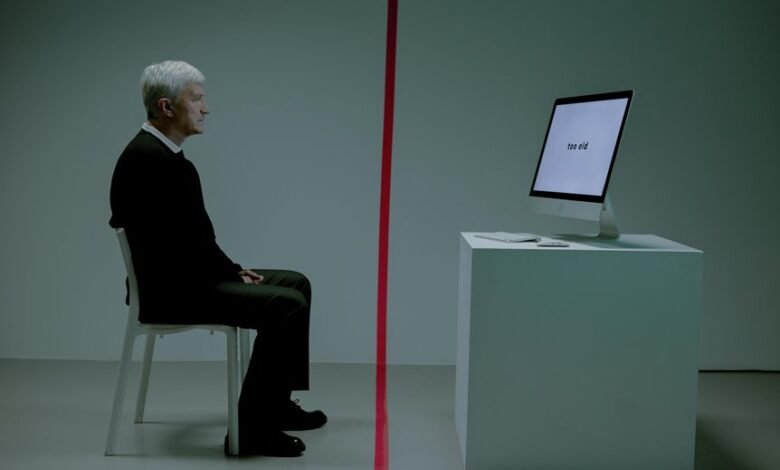
Sally Rychlak’s age gap serves as a lens through which the complexities of intergenerational relationships can be examined. The dynamics at play often reveal how differing life experiences influence compatibility. As societal norms shift, understanding these relationships becomes crucial. This discussion will explore how age differences impact personal growth and communication styles, prompting further inquiry into the nuances that define such connections. What implications arise when emotional maturity and aspirations diverge?
Understanding Sally Rychlak’s Relationships
While exploring the complexities of Sally Rychlak’s relationships, it becomes evident that age gaps play a significant role in shaping her interpersonal dynamics.
These differences often influence emotional maturity, leading to varied expectations and communication styles.
The interplay of age and maturity can create both challenges and opportunities, ultimately affecting her ability to connect meaningfully with partners across diverse life stages.
The Impact of Age Gaps on Compatibility
Although age gaps can introduce complexities, they also significantly influence compatibility within relationships.
Age dynamics often shape emotional maturity, life experiences, and future aspirations, which can either enhance or challenge relationship stability.
Partners with differing ages may approach conflict resolution and intimacy differently, affecting overall harmony.
Understanding these factors is crucial for navigating the potential benefits and drawbacks of such relationships.
Societal Perspectives on Age Differences
As societal norms evolve, perceptions of age differences in relationships have become increasingly complex. Cultural norms and generational beliefs significantly shape these views, often leading to varied acceptance across different demographics.
Younger generations may challenge traditional standards, advocating for autonomy in relationship choices, while older beliefs may still uphold age-based stereotypes. This dynamic interplay reflects broader shifts towards individual freedom and diverse relationship models.
Personal Growth and Evolution in Relationships
The evolution of relationships often mirrors the personal growth of individuals, influencing how partners navigate age differences.
As individuals pursue personal development, they cultivate emotional maturity, which can enhance understanding and communication within a relationship.
This maturity enables partners to address challenges arising from age gaps more effectively, fostering a supportive environment that nurtures both personal and relational growth over time.
Conclusion
In examining Sally Rychlak’s relationships, it becomes evident that age gaps can both enrich and complicate connections. As the adage goes, “age is but a number,” suggesting that emotional maturity and shared values often outweigh chronological age. While societal perceptions of these dynamics continue to evolve, understanding the implications of differing life stages remains crucial. Ultimately, fostering meaningful relationships requires navigating the complexities of compatibility, aspirations, and communication, regardless of age disparities.